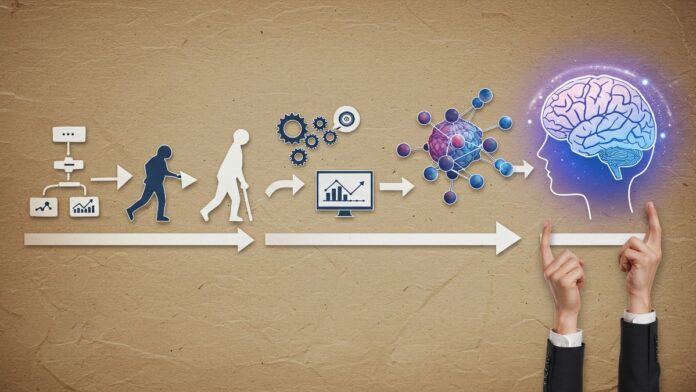




There’s an exciting wave of innovation on the horizon in healthcare that I believe will significantly enhance patient outcomes and streamline medical processes. In this post, I will explore 10 future technologies that have the potential to revolutionize diagnosis, treatment, and patient care. From artificial intelligence and telemedicine to advanced genomics, I will investigate into how these advancements can improve accessibility and efficiency, shaping the future of healthcare for you and your loved ones.
Key Takeaways:
- AI and machine learning will enhance diagnostics and personalized treatment plans, improving patient outcomes.
- Telemedicine technology will expand access to healthcare services, particularly in remote areas.
- Wearable devices will enable continuous health monitoring, leading to proactive healthcare management.
Artificial Intelligence in Diagnostics
Artificial intelligence (AI) is revolutionizing diagnostics by enabling rapid and accurate interpretation of medical data. From radiology to pathology, AI systems can analyze images and identify abnormalities with remarkable precision. I have witnessed firsthand how AI reduces human error and enhances decision-making processes, leading to earlier interventions and improved patient outcomes. By leveraging vast datasets, these technologies are transforming the diagnostic landscape, allowing healthcare professionals to focus more on patient care.
Machine Learning Algorithms
Machine learning algorithms are at the core of AI-driven diagnostics, learning from vast amounts of medical data to improve their accuracy over time. These algorithms can detect patterns and predict conditions that may elude the human eye, thereby enhancing diagnostic capabilities. I find it fascinating that some models can process thousands of images in seconds, allowing for swift assessments that support clinicians in making informed decisions.
Predictive Analytics for Patient Outcomes
Predictive analytics harnesses AI to forecast patient outcomes based on historical data and real-time information. I see this technology making strides in identifying high-risk patients before complications arise, enabling proactive care choices. By analyzing patterns in patient demographics, behaviors, and clinical history, predictive models can guide healthcare professionals in tailoring interventions, which can significantly enhance treatment efficacy.
For instance, in a recent study, hospitals using predictive analytics reported a 20% decrease in readmission rates and improved management of chronic diseases by identifying at-risk patients earlier. By integrating predictive analytics into routine practice, I believe healthcare providers can optimize their resources and improve overall patient care. As I have observed, the ability to anticipate adverse events empowers clinicians to act swiftly, ultimately saving lives and enhancing the effectiveness of healthcare delivery.
Telemedicine and Virtual Care
Telemedicine is rapidly revolutionizing healthcare delivery, granting patients access to medical services from the comfort of their homes. This innovation not only streamlines the process of seeking medical advice but also significantly reduces waiting times. According to a report by the American Hospital Association, hospitals implementing telemedicine saw an increase in patient engagement, directly impacting health outcomes and satisfaction rates.
Remote Patient Monitoring
Remote Patient Monitoring (RPM) enables healthcare providers to track patients’ health metrics in real time through wearable devices and apps. This technology allows for early detection of potential health issues, facilitating timely interventions. A study indicated that RPM can reduce hospital readmission rates by 30%, proving its efficacy in managing chronic diseases.
Video Consultations and Follow-ups
Video consultations have become increasingly popular, allowing patients to connect with healthcare providers through virtual platforms. This method is especially beneficial for follow-ups, as it saves time and resources for both parties. I find that these consultations can enhance patient satisfaction, with studies showing that 70% of patients prefer video visits over in-person appointments for non-emergency scenarios.
Video consultations not only maintain continuity of care but also accommodate various patient demographics. For example, individuals in rural areas can access specialists without long travel times, which can be significant barriers to care. Conversely, providers can manage their schedules more efficiently, ultimately allowing for greater flexibility and broader access to health services. This trend contributes to a more personalized healthcare experience, often resulting in improved adherence to treatment plans.
Wearable Health Technology
Wearable health technology is a game changer in patient monitoring and engagement, integrating seamlessly into daily life. Devices such as smartwatches and fitness trackers continuously gather vital health data, empowering individuals to take charge of their health. These technologies are not just for enthusiasts; many are now equipped with advanced sensors for monitoring heart rates, sleep quality, and even stress levels, providing insights that were previously available only through medical professionals.
Health Tracking Devices
Health tracking devices have evolved significantly, now offering a wide array of features that support personal health management. From tracking steps and calories to monitoring heart conditions, these devices can provide real-time data and alerts directly to your smartphone. For instance, devices like the Fitbit and Apple Watch have incorporated ECG capabilities, allowing you to conduct heart rhythm assessments on the go, helping you catch potential issues early.
Impact on Chronic Disease Management
The impact of wearable health technology on chronic disease management is profound. By continuously monitoring key health metrics, these devices enable timely interventions and flag changes that could signal complications, thus enhancing patient outcomes and adherence to treatment.
The ongoing integration of wearable technology transforms how we manage chronic diseases. For example, individuals with diabetes benefit from continuous glucose monitors (CGMs) that alert them to dangerously high or low blood sugar levels. This immediate feedback enables prompt action, reducing the risk of severe complications. Furthermore, studies show that patients using wearable devices often demonstrate improved adherence to medication and lifestyle choices, leading to better health management. As response times shorten, healthcare professionals can adjust treatment plans based on real-time data, fostering a proactive rather than reactive approach to chronic disease management.
Personalized Medicine
As we advance, personalized medicine emerges as a cornerstone of future healthcare, tailoring treatment to individual genetic profiles, lifestyles, and environmental factors. By moving away from one-size-fits-all approaches, healthcare becomes more efficient, cutting costs and improving outcomes through customized interventions that resonate with each patient’s unique needs.
Genomic Sequencing
Genomic sequencing provides unprecedented insights into your genetic makeup, identifying variations that contribute to diseases. With costs of sequencing dropping below $1,000, it becomes accessible for widespread use. By analyzing specific genes associated with conditions like cancer or heart disease, I can help pinpoint risks and optimize prevention strategies tailored to you.
Tailored Treatment Plans
With advancements in data analysis, tailored treatment plans utilize your unique genetic and health information to create targeted therapies. This approach enhances efficacy while minimizing side effects, ensuring that the treatments you receive are designed specifically for you.
Tailored treatment plans leverage data from genomic sequencing alongside lifestyle assessments to create a comprehensive health profile. For instance, if your genetic testing reveals a predisposition to a specific type of cancer, I can recommend proactive surveillance or preventive measures customized to your genetic risk. Furthermore, incorporating your medication response history allows for optimized drug selections, drastically increasing the chances of a successful outcome while reducing adverse reactions. This precision not only aligns with your genetic background but also considers your personal health goals and preferences, ensuring a holistic approach to your care.
Blockchain in Healthcare
Blockchain technology is set to revolutionize healthcare by providing a secure, decentralized platform for data management. This innovation not only enhances data sharing across providers but also ensures that patient information remains accessible and immutable. As healthcare organizations begin to adopt blockchain, we’ll witness a transformation in how we handle patient data, leading to improved outcomes and streamlined processes.
Data Security and Integrity
Implementing blockchain in healthcare significantly enhances data security and integrity. Each transaction is recorded in a transparent, tamper-proof manner, reducing the risks of data breaches or unauthorized access. With a distributed ledger, health records become more resilient, allowing only authorized individuals to view or modify this sensitive information.
Streamlining Patient Records
Blockchain technology is revolutionizing the way we manage patient records by providing a unified, patient-centric approach. By storing health data on a blockchain, I can ensure that your records are instantly available to authorized health professionals across different institutions, minimizing discrepancies and avoiding unnecessary duplication of tests.
This streamlined access not only accelerates the treatment process but also enhances the quality of care you receive. For instance, patients transfer their data seamlessly between specialists in different practices, enabling a comprehensive view of your health history. By mitigating fragmented record-keeping, blockchain empowers clinicians to make informed decisions swiftly, improving both efficacy and patient satisfaction. The result is a healthcare environment where your health information is always current and secure.
Robotics and Automation
As I explore the future of healthcare, robotics and automation stand out as transformative forces. These technologies not only enhance surgical precision but also streamline administrative processes, allowing healthcare professionals to focus on patient care rather than routine tasks. The integration of robotic systems can significantly improve efficiency, leading to better patient outcomes and reduced operational costs.
Surgical Robots
Surgical robots have revolutionized the operating room, offering minimally invasive procedures with enhanced accuracy. For instance, systems like the da Vinci Surgical System allow surgeons to perform complex procedures through small incisions, resulting in less pain, quicker recovery times, and shorter hospital stays for patients. As adoption grows, these robots are setting new standards in surgical excellence.
Administrative Task Automation
Automation is reshaping administrative tasks within healthcare settings, tackling the backlog of paperwork and routine scheduling with artificial intelligence systems. By digitizing data entry, appointment scheduling, and even billing processes, facilities can significantly cut down on time and errors, allowing healthcare staff to concentrate on delivering high-quality patient care instead.
In my experience, the impact of administrative task automation within healthcare cannot be overstated. Studies show that automation can reduce administrative burdens by up to 30%, freeing up valuable resources. Technologies like chatbots for patient inquiries or AI-driven scheduling systems streamline workflows and improve patient engagement, alleviating the pressures on healthcare providers. As these systems evolve, I foresee an era where operational efficiency enables providers to deliver even more personalized care to patients.
Summing up
Following this exploration of 10 future technologies poised to transform healthcare, I am optimistic about their potential to enhance patient outcomes and streamline processes. Each innovation, from telemedicine to AI diagnostics, offers unique benefits that I believe will shape the future of healthcare delivery. As you consider how these advancements will impact your health journey and the industry at large, it’s clear that the integration of technology will play a significant role in creating a more efficient and effective healthcare system.
FAQ
Q: What are the top 10 future technologies that will change healthcare?
A: The top 10 future technologies include artificial intelligence and machine learning, telemedicine, wearable health tech, blockchain, robotics, 3D printing, virtual reality, gene editing, bioprinting, and nanotechnology. Each of these innovations has the potential to enhance diagnostics, treatment options, and patient care.
Q: How will telemedicine improve patient access to healthcare?
A: Telemedicine enhances patient access by allowing remote consultations with healthcare providers, eliminating geographical barriers. It provides convenience, reduces travel time, and enables access to specialists for patients in underserved areas, thus improving overall healthcare delivery.
Q: What role will artificial intelligence play in healthcare in the future?
A: Artificial intelligence will play a significant role in analyzing vast amounts of medical data, improving diagnostic accuracy, personalizing treatment plans, and predicting patient outcomes. AI algorithms can assist healthcare professionals by providing insights that lead to better patient management and operational efficiencies.